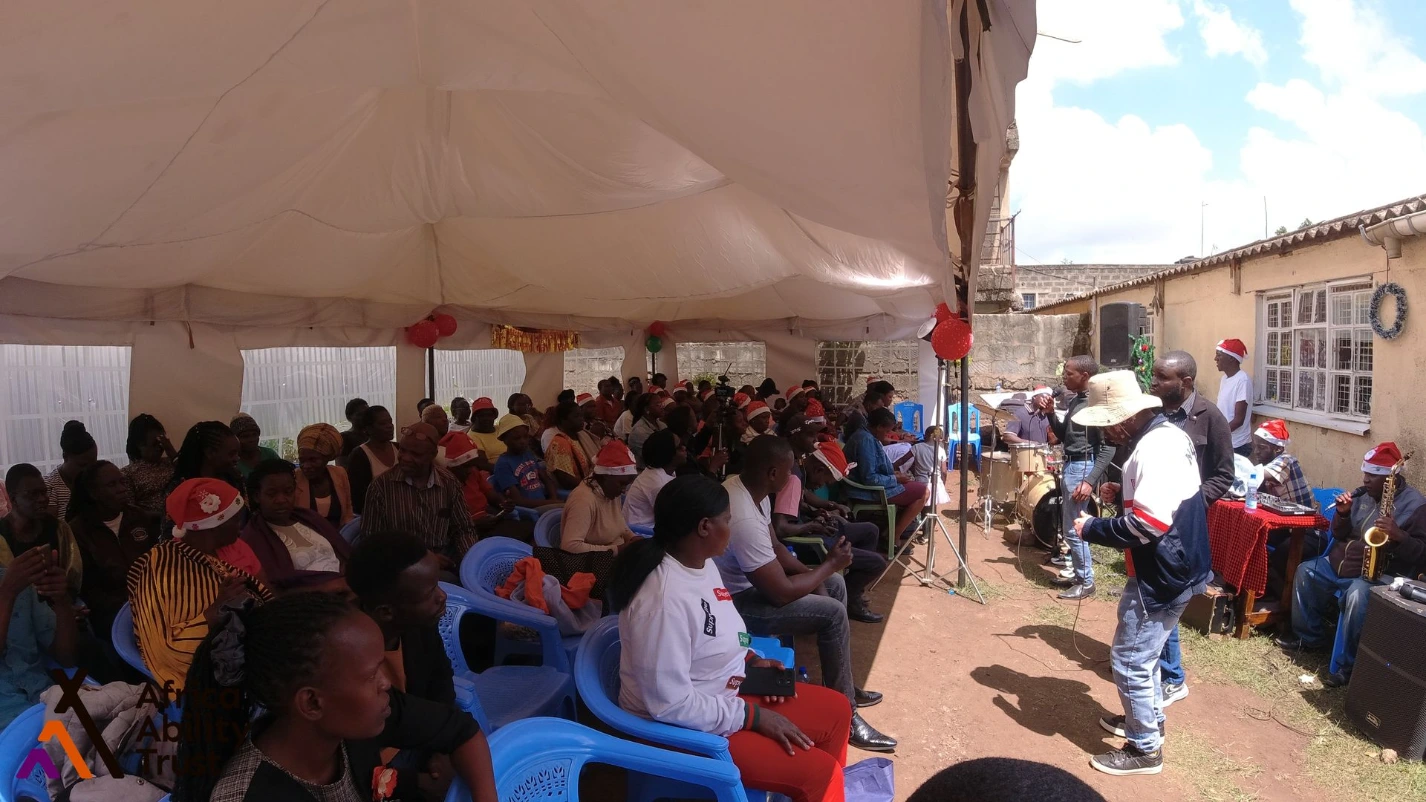
The barriers are real. They do not have to remain.
The statistics below expose urgent gaps in disability inclusion across Africa and Kenya. But behind every number is a person: a name, a family, a gift, a dream and a story longing for the opportunity to belong, participate and contribute.
The barrier is rarely disability alone. Exclusion grows when workplaces, classrooms, churches, services, communities and systems are not prepared to include everyone.
Explore the Need ↓Disability exclusion is not one problem. It is a pattern of barriers that can follow a person through life.
A child may encounter barriers to education. The same person may later encounter barriers to employment, communication, mobility, healthcare, technology, worship and community participation.
These barriers also affect the people around them. Parents may leave work to provide care. Siblings may share responsibilities. Families may struggle to access church, transport, therapy or community life together.
This is why Africa Ability does not look at disability as a single isolated issue. We work toward inclusion across the environments in which people actually live.
We do not begin by asking what is wrong with the person. We ask what barriers exist around the person — and what can be changed.
See the person. Understand the barrier. Build the opportunity.
A massive population often hidden from view.
Disability is not a small or marginal issue. It affects a significant share of the population, yet official figures can vary widely depending on definitions, reporting methods and whether hidden disabilities are captured.
Over 250 million Africans (approximately 16% of the population) live with disabilities. However, many governments report figures under 5%, largely due to social stigma.
Kenya's 2019 Census identified 2.2% of the population as living with disabilities. Broader estimates suggest the number may be significantly higher when hidden or less-visible disabilities are included.
A population this large cannot be treated as a specialist issue for a few organizations. Disability inclusion belongs in mainstream conversations about education, employment, technology, faith, business, healthcare, transport and community development.
Disability touches whole households.
A person with a disability does not live in isolation. They are part of a family, a neighbourhood, a workplace, a school, a church and a wider community.
When transport is inaccessible, when appropriate education is unavailable, when employment is difficult to access or when a church is not prepared to include a person with disability, the effects can extend to parents, siblings, spouses and caregivers.
A parent may reduce working hours to provide care. A sibling may take on additional responsibilities. A family may stop attending gatherings because the environment is inaccessible. The impact of exclusion can therefore extend far beyond one individual.
Access, independence, opportunity, participation and dignity.
Care responsibilities, finances, mobility, emotional wellbeing and time.
Whether schools, workplaces, churches and institutions create barriers or belonging.
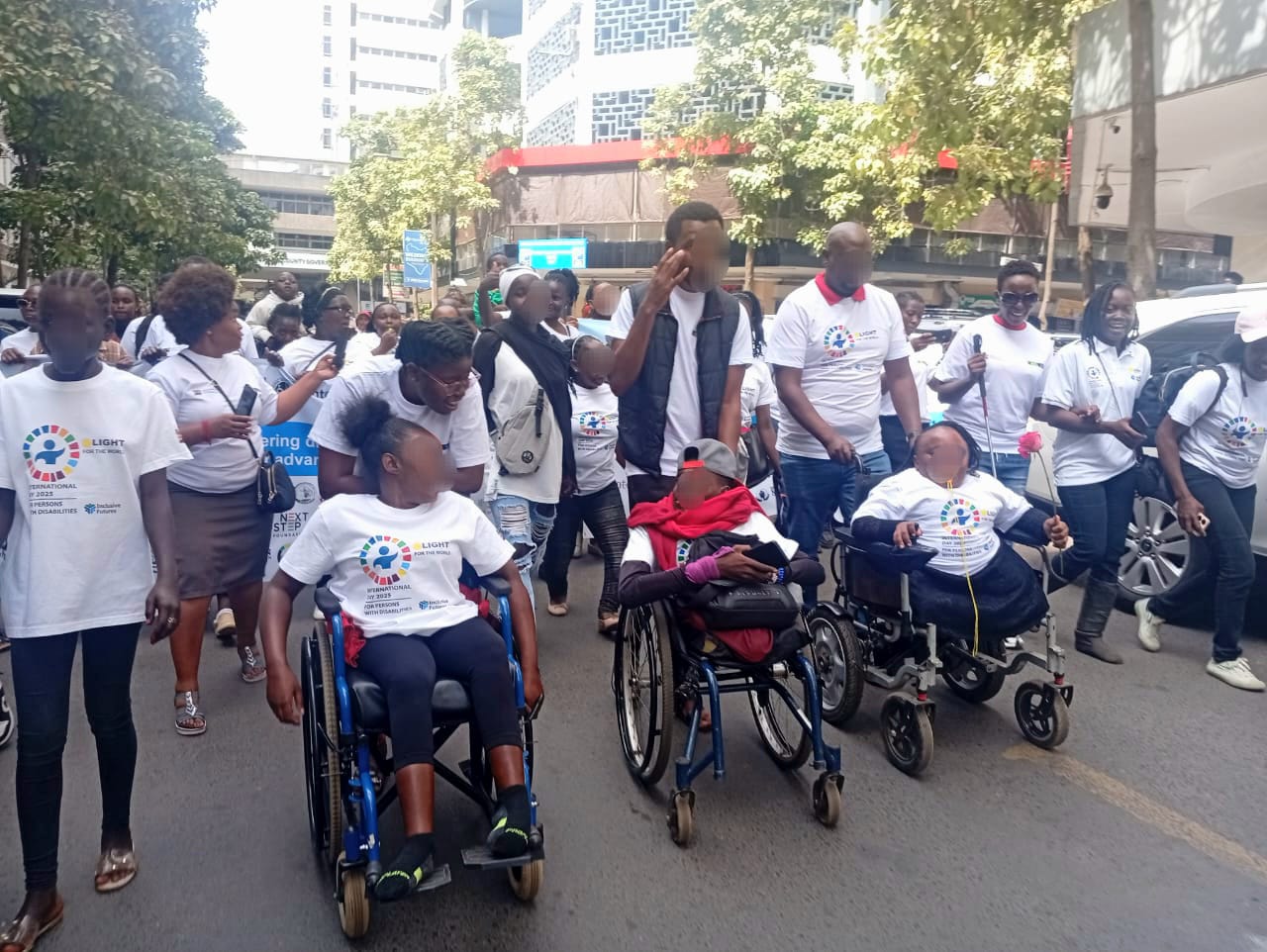
Visibility matters because people cannot be included in systems that never learned to see them.
Talent exists. Opportunity often does not.
Employment is about more than earning an income. Work can strengthen independence, confidence, professional identity, household stability and a person's ability to contribute their skills to society.
Only 20–30% of working-age persons with disabilities in Africa are employed, leaving an estimated 70–80% without work.
It is estimated that fewer than 10% of employers offer disability-friendly infrastructure, policies or recruitment practices.
Exclusion from work can affect far more than income. It can limit independence, reduce household stability, reinforce stereotypes and prevent employers from benefiting from the skills, creativity and perspectives of persons with disabilities.
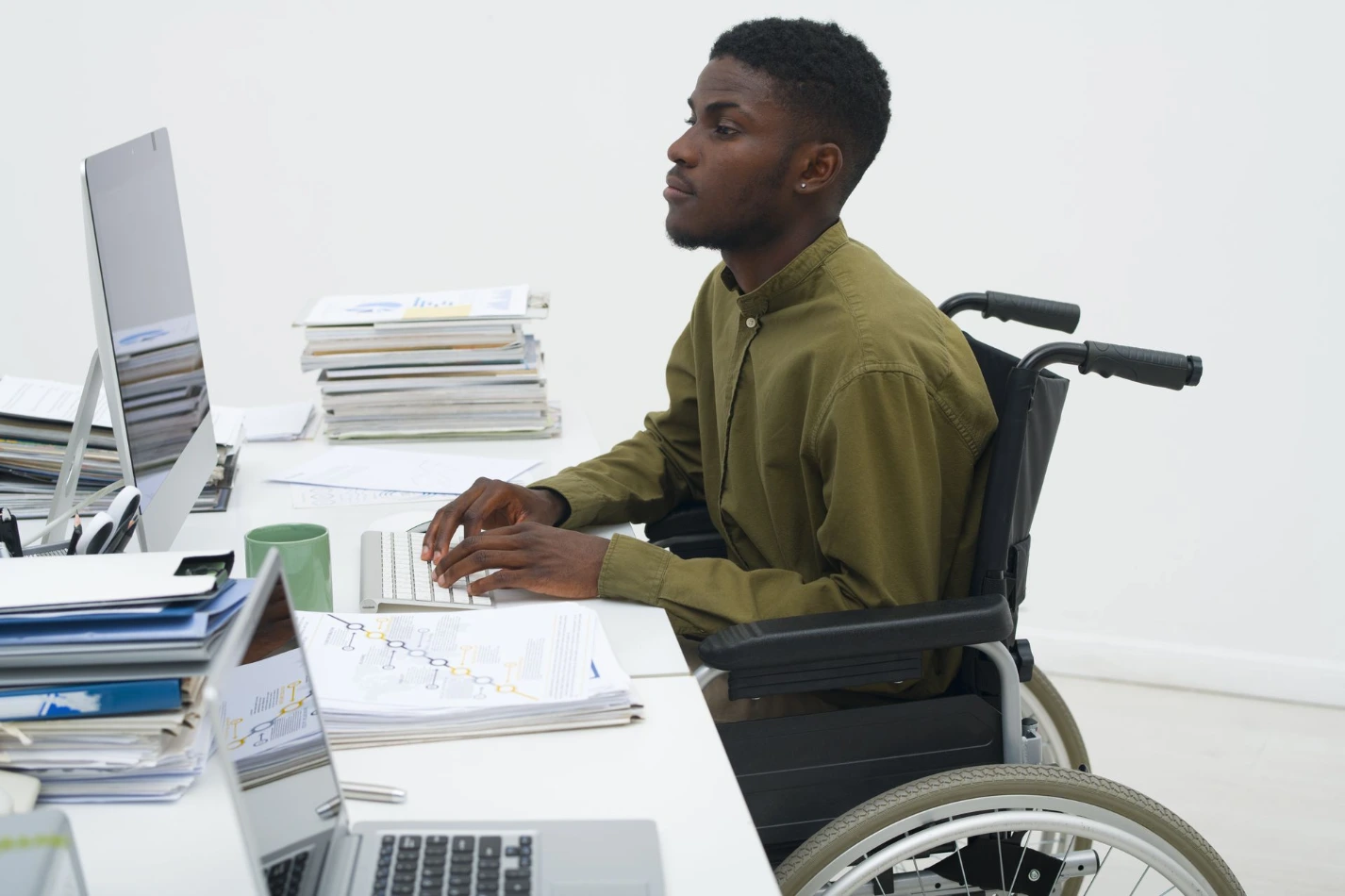
The question is not whether persons with disabilities can contribute. It is whether opportunity has been made accessible.
Exclusion can begin long before employment.
Education is one of the earliest gateways to independence and opportunity. When children encounter inaccessible schools, stigma, communication barriers or limited support, those disadvantages can follow them into adulthood.
In Africa, only 20–30% of children with disabilities attend school.
In Kenya, the situation is even more severe, with just around 6% enrolled, and those who do enroll are reported to be 60% more likely to drop out.
When a child cannot access education, the effects can extend into literacy, confidence, employment, economic independence and community participation. Inclusion in adulthood often begins with access in childhood.
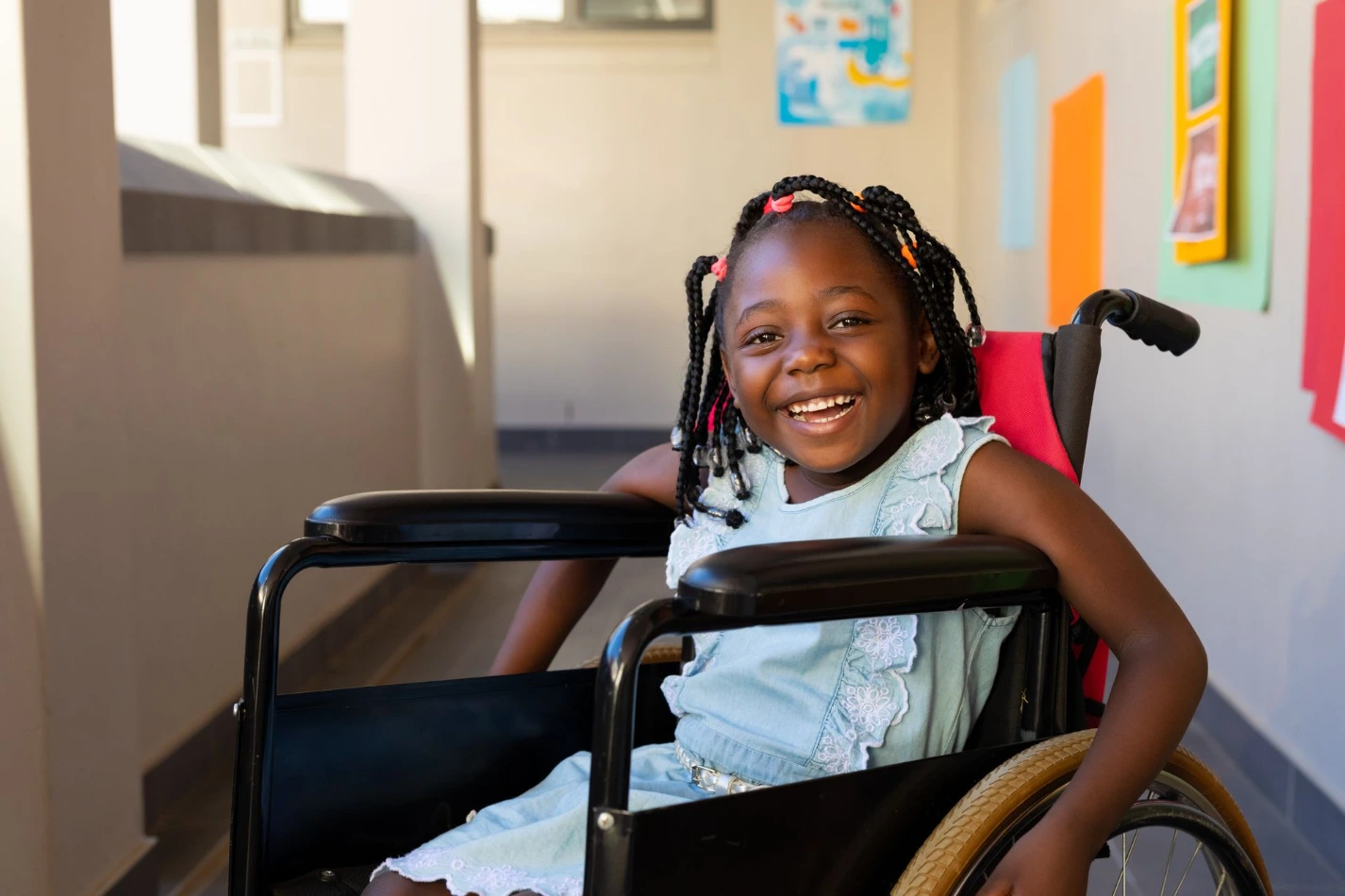
Education should prepare every child to participate in the future.
One barrier rarely exists alone.
Disability is often discussed in separate categories: education, employment, healthcare, faith, mobility or assistive technology. Real life is not divided so neatly.
A child excluded from education may later experience greater barriers to employment. A caregiver who cannot safely leave a family member may lose opportunities to work. A person without an appropriate assistive device may struggle to access school, work, worship or community life.
This is why Africa Ability takes a whole-person and whole-community approach rather than responding to disability through one programme alone.
Belonging should include our places of worship.
Spiritual communities can be some of the most important places of friendship, pastoral care, discipleship, service and long-term belonging. Yet many faith communities remain unprepared to intentionally include persons with disabilities and their families.
Less than 1% of churches across Africa are estimated to have formal disability inclusion programs, yet roughly 49% of Africans identify as Christian.
Fewer than 2–3% of churches are estimated to have a formal disability ministry and 80–85% are estimated to lack intentional disability inclusion.
An inaccessible church can affect more than attendance on a Sunday. It can affect worship, friendship, pastoral care, discipleship, opportunities to serve and whether a person or family experiences the church as a genuine spiritual home.
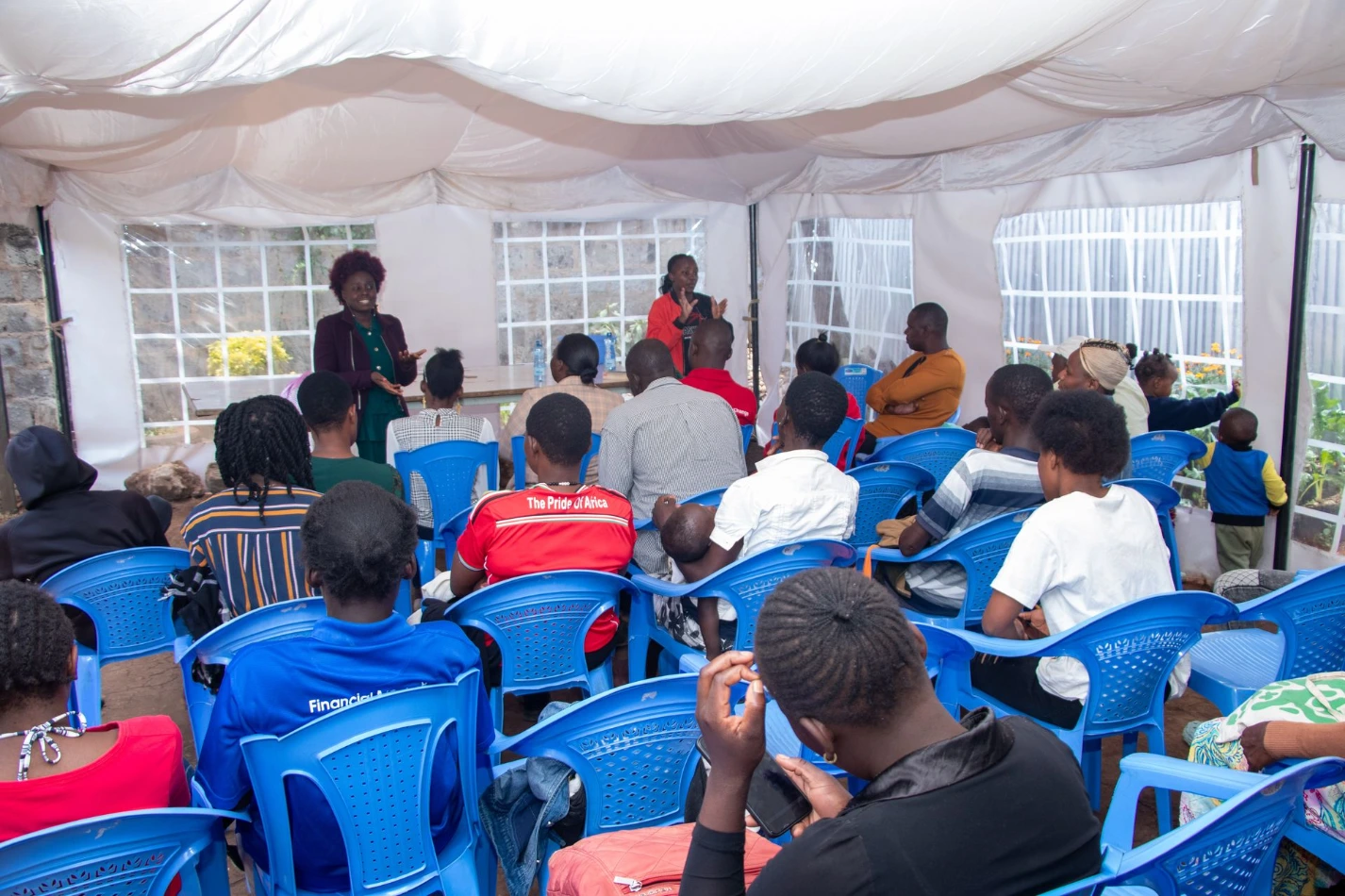
Persons with disabilities are not only people to minister to. They are people who can belong, serve, contribute and lead.
Support can unlock everyday independence.
Assistive technology, therapy and appropriate support are not luxuries. They can affect how someone communicates, moves, learns, works, participates and manages everyday life.
Across Africa, an estimated 5–15% of persons with disabilities have access to assistive devices or therapy.
In Kenya, the figure is estimated to be slightly higher at 17–32%, yet the majority still remain without the support they need.
The right support can change whether a child can regulate and learn, whether a person can communicate independently, whether someone can move through the community or whether daily tasks require constant assistance. Access can create freedom.
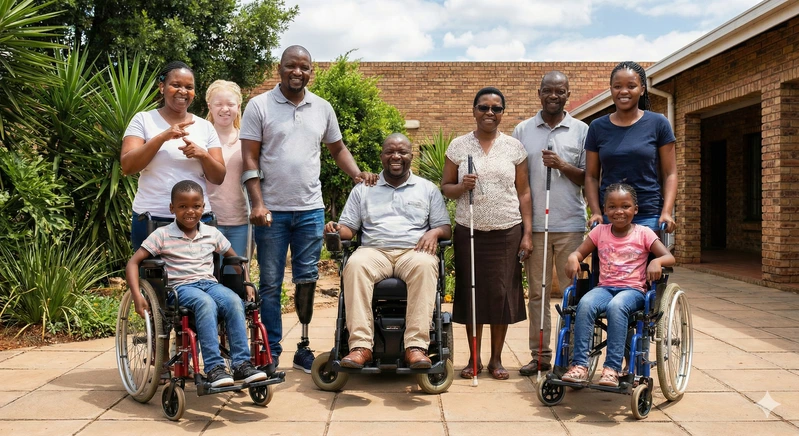
Access is not about doing everything for someone. It is about making more things possible.
Inclusion changes the question.
Instead of asking only what a person with a disability needs, we begin asking what becomes possible when barriers are removed and gifts are given room to flourish.
A child can learn.
Inclusive education creates a foundation for confidence, skills and future opportunity.
A young person can prepare for work.
Skills and accessible employment can open pathways to income and independence.
An adult can earn and lead.
Disability does not remove professional, creative or leadership potential.
A caregiver can pursue opportunity.
Better support for disability can create greater flexibility and economic possibility for the wider family.
A church can become a place of belonging.
Accessible ministry makes room for worship, discipleship, friendship, service and leadership.
Society gains when everyone participates.
Inclusive communities benefit from abilities, perspectives and contributions that exclusion leaves unseen.
Disability statistics vary by source, definition, methodology, age group and reporting environment. Some figures on this page are estimates intended to illustrate the scale of disability exclusion. Africa Ability Trust continues to review and update its public data as stronger and more context-specific evidence becomes available.
We exist to change this.
We refuse to accept these numbers as the final story. We are actively working to rewrite this narrative and restore dignity. Through disability inclusion, family support, training, advocacy, economic empowerment, accessible faith communities and practical partnerships, we are building environments where persons with disabilities can belong, participate, contribute and lead.
See How We Do It →