Churches
& Faith
Communities.
We work alongside churches and parachurch organizations to build faith communities where persons with disabilities are not simply welcomed, but known, discipled, valued, able to use their God-given gifts and fully included in the life and ministry of the Christian community.
Growing relationships across Africa and beyond.
In 2026, Africa Ability Trust has continued building relationships with churches and parachurch organizations in Africa and globally through disability-inclusion training, church visits, worship, leadership conversations, accessibility guidance and practical partnership.
What churches can expect from us.
We have a detailed Disability Inclusion, Church Partnership & Parachurch Ministry Policy that sets out how we work with churches and parachurch organizations and guides our roles, expectations, safeguarding, communication and accountability. We can send the full policy to a church or ministry to review upon request.
Request a Copy of the Policy →We strengthen the local church.
Africa Ability is a faith-rooted parachurch ministry and specialized disability-inclusion partner. We bring disability knowledge, lived experience, training and practical support while strengthening the church's own ministry capacity.
Roles remain clear.
The local church retains responsibility for doctrine, congregational life, discipleship, pastoral care and spiritual oversight. Africa Ability provides agreed disability-specific support within our mission and competence.
Dignity shapes our partnership.
Persons with disabilities and caregivers should be listened to, included and represented with dignity. Consent, confidentiality and safeguarding matter in shared ministry.
Ministry is not financial pressure.
Core church disability-inclusion training, ordinary consultation and center learning visits are ministry. Genuine logistical costs can be discussed openly where necessary.
We build capacity, not dependence.
The goal is for pastors, ministry leaders and volunteers to grow in confidence until disability inclusion increasingly becomes part of ordinary church life.
Partnership,
not
replacement.
We come alongside churches so that disability inclusion can become part of ordinary church life, not a ministry that remains dependent on an outside organization.
Many churches already have a genuine desire to welcome persons with disabilities and their families. What may be missing is disability-specific knowledge, accessibility guidance, communication support or direct exposure to lived experience.
Africa Ability contributes this specialized experience while the local church continues to provide worship, discipleship, pastoral care, friendship, service, accountability and long-term Christian belonging.
Growing local confidence.
We celebrate when pastors and ministry teams increasingly know how to welcome, disciple and serve alongside persons with disabilities without waiting for Africa Ability to do it for them.
Disability reaches beyond one person.
Disability may be experienced by one person, but the barriers around disability often affect an entire household. Parents, siblings, spouses, children and caregivers may all navigate transport, communication, accessibility, worship and participation together.
Persons with disabilities in Africa
More than 250 million people across Africa are estimated to live with disabilities. Behind that number are individuals, families, churches and communities.
DISABILITY PREVALENCEOther household members around disability
Using an average household size of about 4.6 people as a simple illustration, every person with a disability may live alongside roughly 3.6 other household members.
ILLUSTRATIVE HOUSEHOLD REACHEffectively reached with the gospel
Estimates used within disability mission discussions suggest that only a small proportion of persons with disabilities have been effectively reached with the gospel.
GLOBAL DISABILITY COMMUNITYUnreached or under-reached
The corresponding estimate means the great majority of the global disability community remains unreached or under-reached by intentional gospel ministry.
A SIGNIFICANT MISSION GAPThese figures point to a significant ministry gap. Persons with disabilities form a large global community, yet many have had limited access not only to accessible church spaces, but also to Christian community, discipleship, Scripture in accessible formats and meaningful opportunities to serve. Disability inclusion is therefore not only an accessibility conversation. It is also a discipleship, mission and belonging conversation.
The Church has extraordinary reach. Intentional disability inclusion has not yet matched that reach.
Intentional disability ministry remains uncommon across many African church contexts.
The scale of Christian identification highlights the enormous potential of churches to shape belonging.
Formal disability-specific ministry structures remain limited.
This represents both a challenge and a significant opportunity for practical change.
Disability inclusion can affect an entire family, not only one person.
Think of a household rather than only an individual. A person with a disability may live with parents, siblings, a spouse, children or a caregiver. Those family members may travel together, communicate together, worship together and make decisions about church participation together.
Using an African household average of about 4.6 people only as a simple illustration, a household containing one person with a disability would include about 3.6 other household members. Applied to 250 million persons with disabilities, that gives an illustrative figure of roughly 900 million additional household members living around disability.
How we work with churches.
Every church and parachurch organization has a different context. We listen first, understand what already exists and help identify practical next steps rather than imposing one disability ministry model.
Equipping for Ministry
We provide training for pastors, ministry leaders, staff and volunteers to understand disability and strengthen disability ministry within their own context. Training can address attitudes, accessibility, communication, family experiences, participation and practical ministry responses.
Creating Spaces of Belonging
Inclusion goes beyond entering a church building. We help churches think about worship, communication, accessibility, friendship, service and leadership so that persons with disabilities can use their God-given gifts and participate meaningfully in ordinary church life.
Spiritual Care
We help bridge the gap so persons with disabilities and families affected by disability can find a spiritual home where they are known, loved, discipled and shepherded. Africa Ability can support connection and accessibility while the local church provides ongoing pastoral and congregational care.
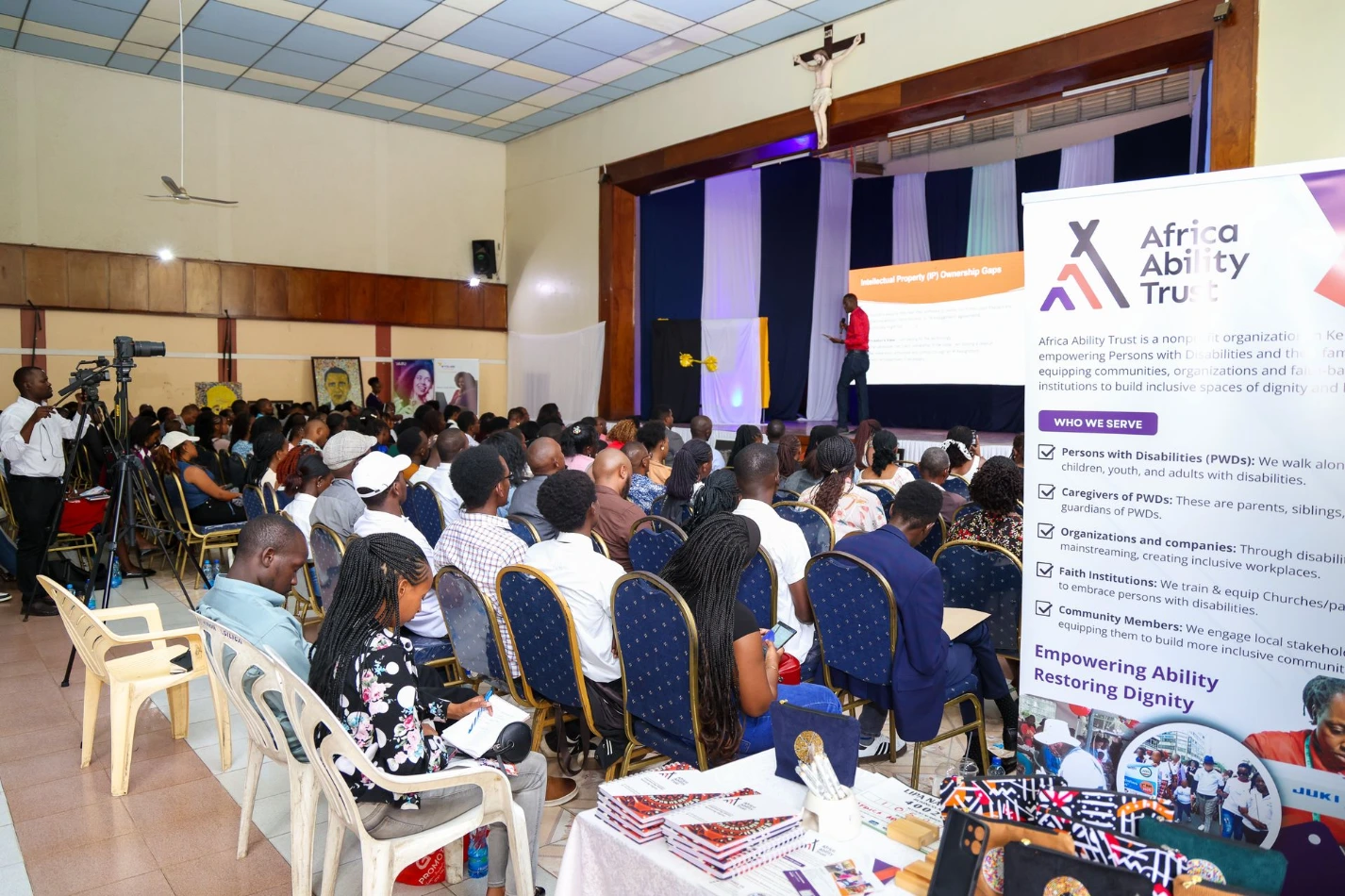
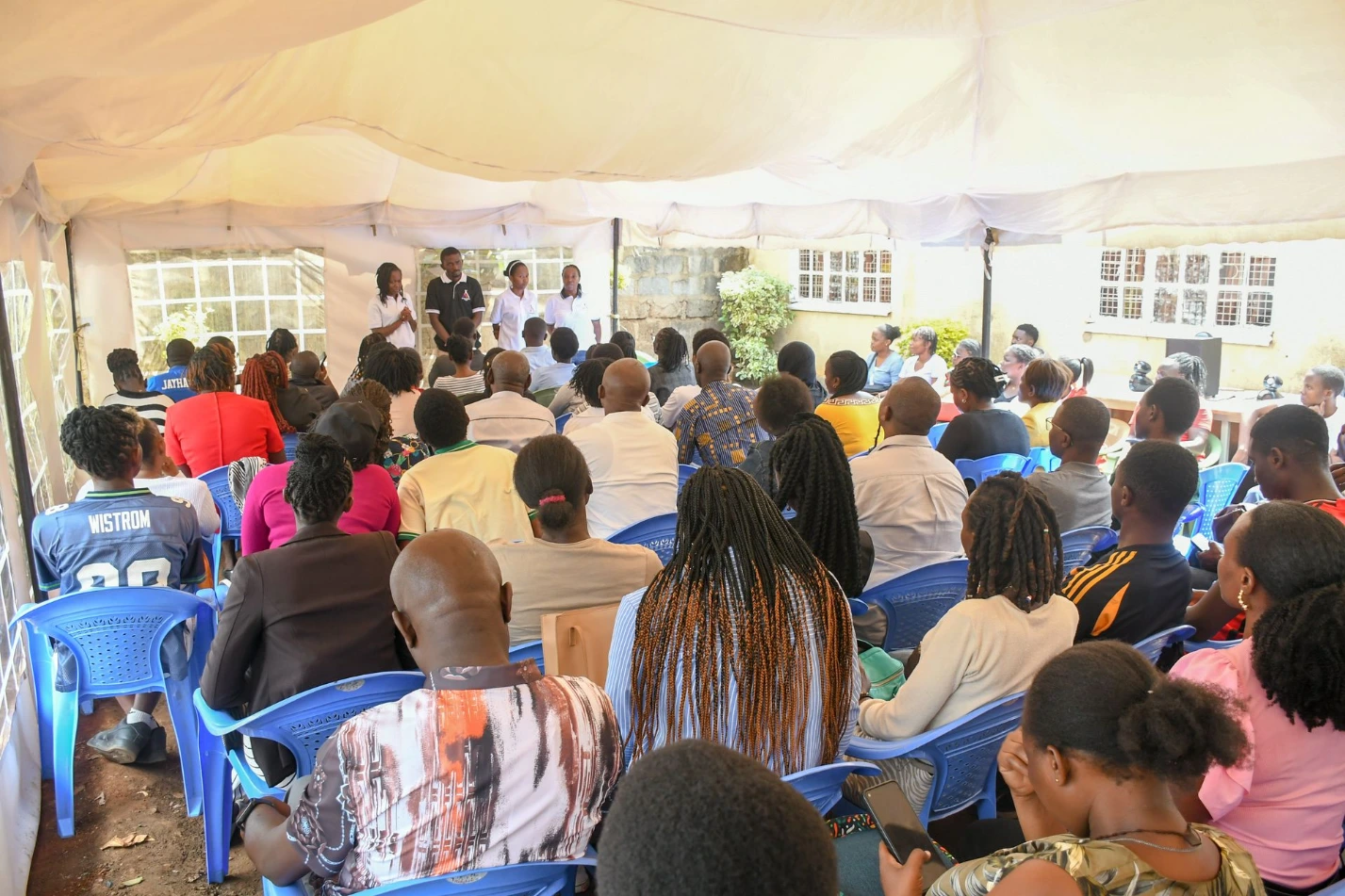
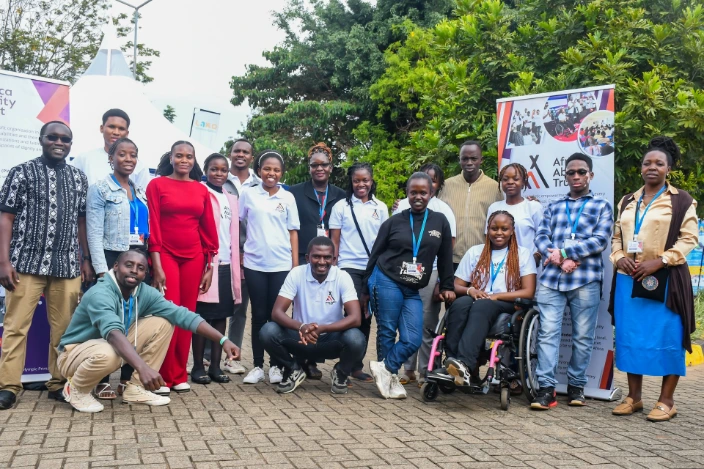
Churches & faith communities we have walked with.
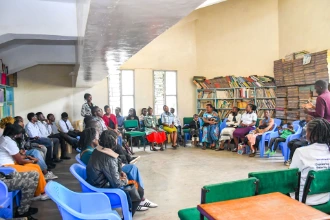
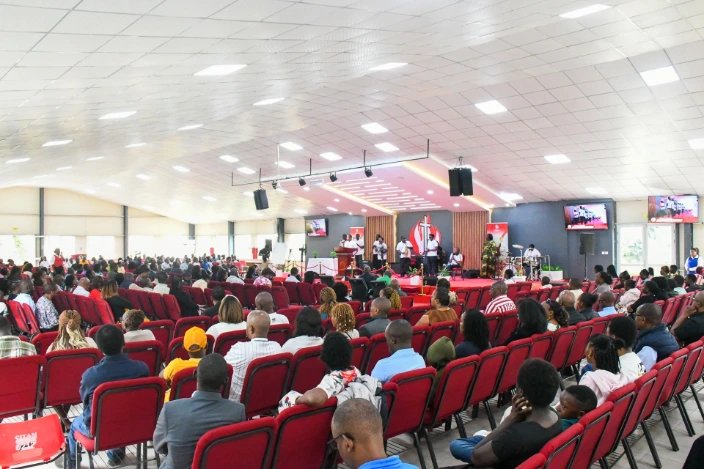
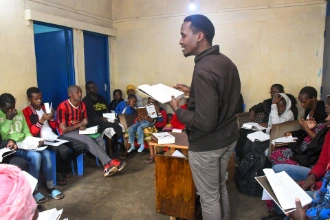
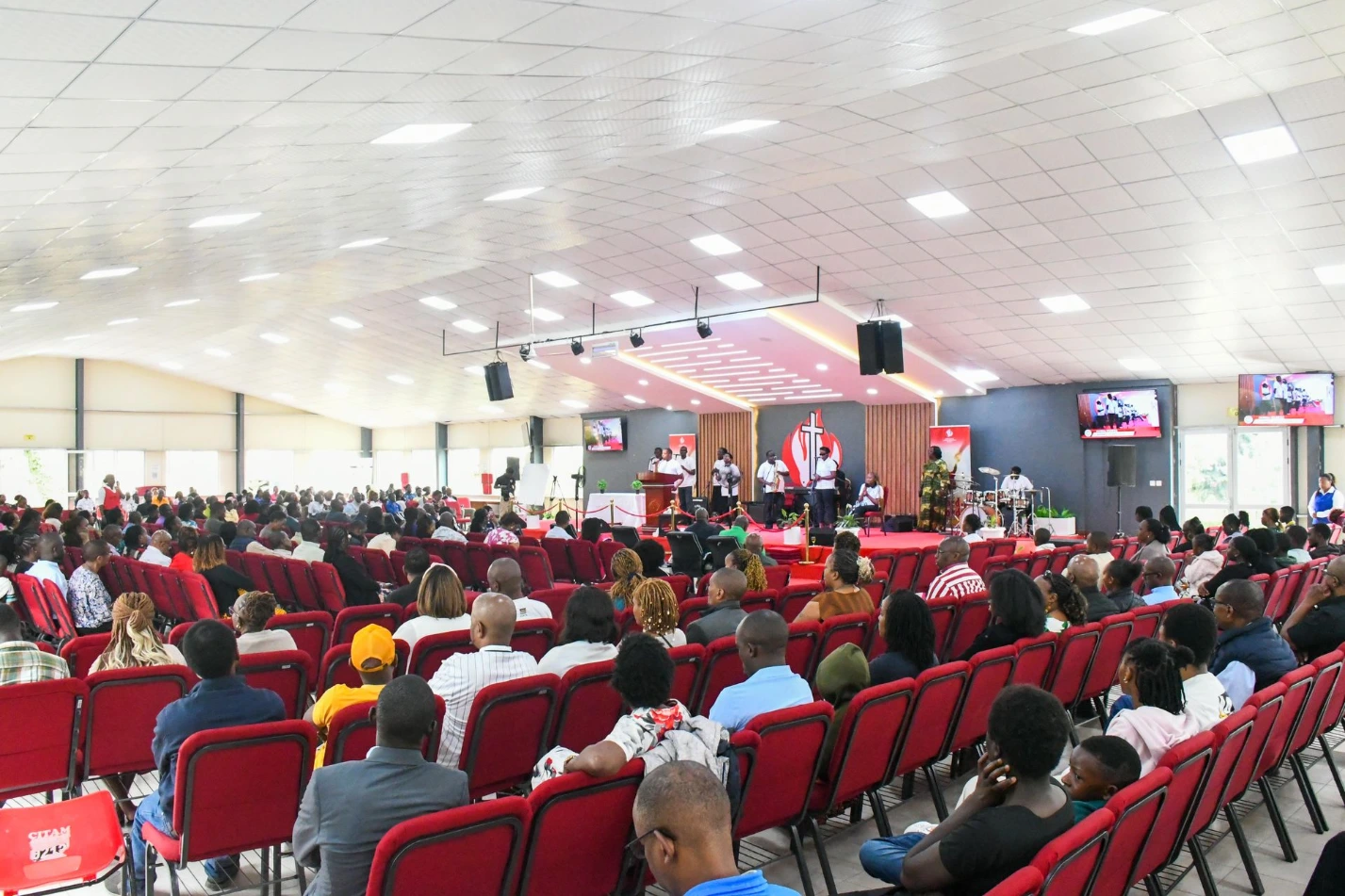
Partnership becomes real through relationships. Visits, worship, training and shared learning create opportunities to listen, experience inclusion in practice and build practical next steps together.
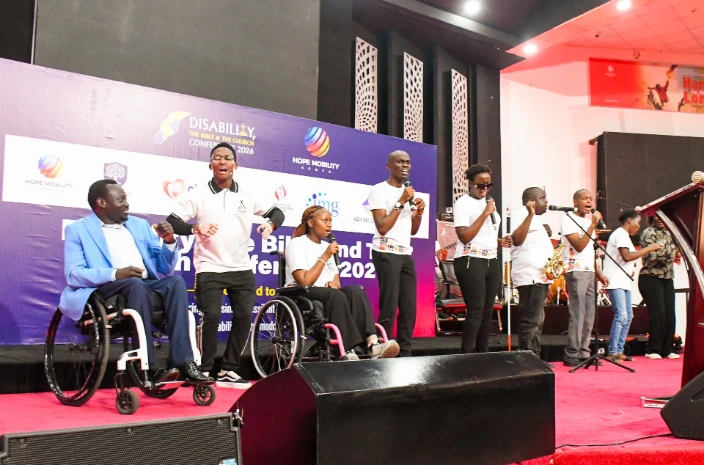
A mature ministry question is not only, “How can we minister to persons with disabilities?” but also, “How can persons with disabilities minister with us — and how are we willing to receive their ministry?”
Our vision is movement beyond pity and one-directional ministry toward accessibility, relationship, belonging, participation, service, leadership and co-laboring.
What can partnership look like?
Partnership can begin in one area and grow as trust, understanding and local capacity develop.
Disability Inclusion Training
Practical training for pastors, ministry teams, staff and volunteers.
Accessibility & Communication
Physical access, communication barriers, Kenyan Sign Language and reasonable accommodations.
Accessible Scripture
Audio, Braille, large-print and other appropriate accessible Christian resources.
Families & Caregivers
Helping ministry teams understand caregiver experiences and family participation.
Inclusion Assessment
Identifying barriers and developing realistic priorities for the church.
Center Learning Visits
Learning directly from persons with disabilities, caregivers and lived experience.
Referral & Connection
Connecting persons with disabilities, families, churches and relevant services.
Worship & Participation
Creating opportunities for persons with disabilities to worship, serve and use their gifts.
Partnership can begin simply.
A church does not need to have a complete disability ministry before contacting us. Sometimes the right beginning is one conversation, one family, one question or one accessibility challenge.
Listen & Clarify
We listen to leaders, understand the context and clarify the people, ministry areas, barriers and support being requested.
Agree the Support
Together we identify appropriate training, consultation, assessment, visits, accessibility guidance or another practical ministry response.
Review & Grow
We remain in communication, learn from what is working and support growing local confidence and sustainable inclusion.
Training is ministry, not a product.
Our core church disability-inclusion training, ordinary consultation and center learning visits are offered as ministry rather than sold as a professional service. Where an activity has genuine logistical costs such as transport, venue, meals, printing, accommodation or interpretation, those practical needs can be discussed openly and agreed in advance.
Is your church or ministry ready to take the next step?
You do not need to have everything figured out. Tell us about your church, parachurch organization, ministry context or disability-inclusion question. We can listen first and explore an appropriate next step together.
Contact us about training, ministry visits, accessibility, center learning visits, church assessment, The Ability Band or another form of faith-community partnership.
Partner With Us → Talk With Our TeamThe Ability Band.
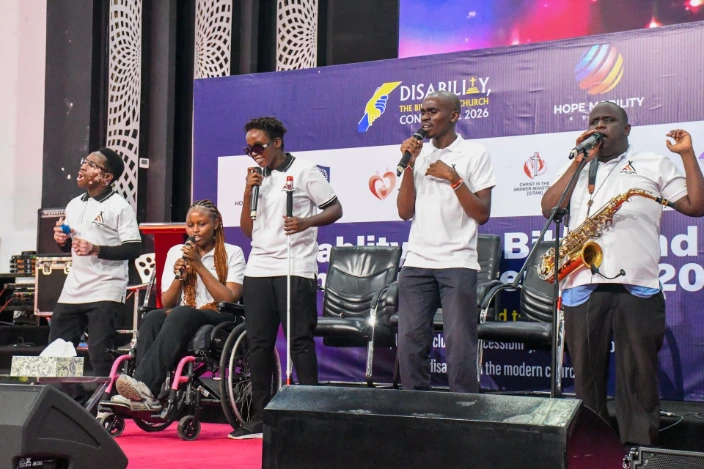
Inclusion becomes more tangible when people see persons with disabilities leading, worshipping, creating and serving. The Ability Band gives visible expression to this conviction.
Inclusive Worship
Gifts in Ministry
Participation
Worship & Service
Co-Laboring
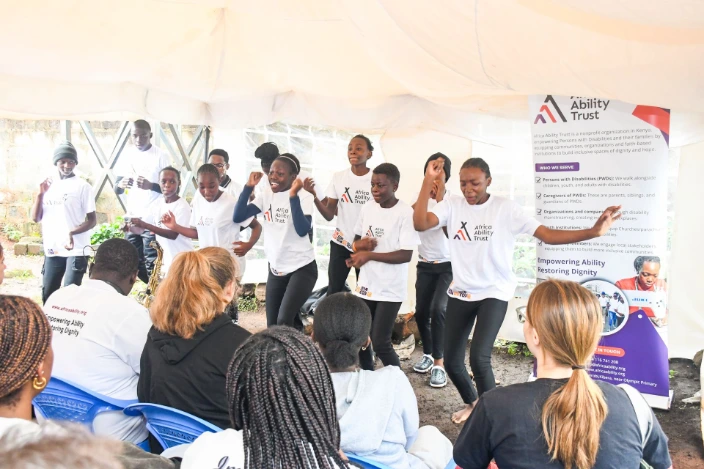 Everyone Has a Place
The Ability Band consists of talented musicians and vocalists with disabilities. Together, they use their God-given gifts to create inspiring worship experiences while demonstrating that the stage, service and ministry of the Church can include the gifts of persons with disabilities.
Members remain connected to their local churches while also coming together through Africa Ability for church visits, training, conferences and other ministry opportunities.
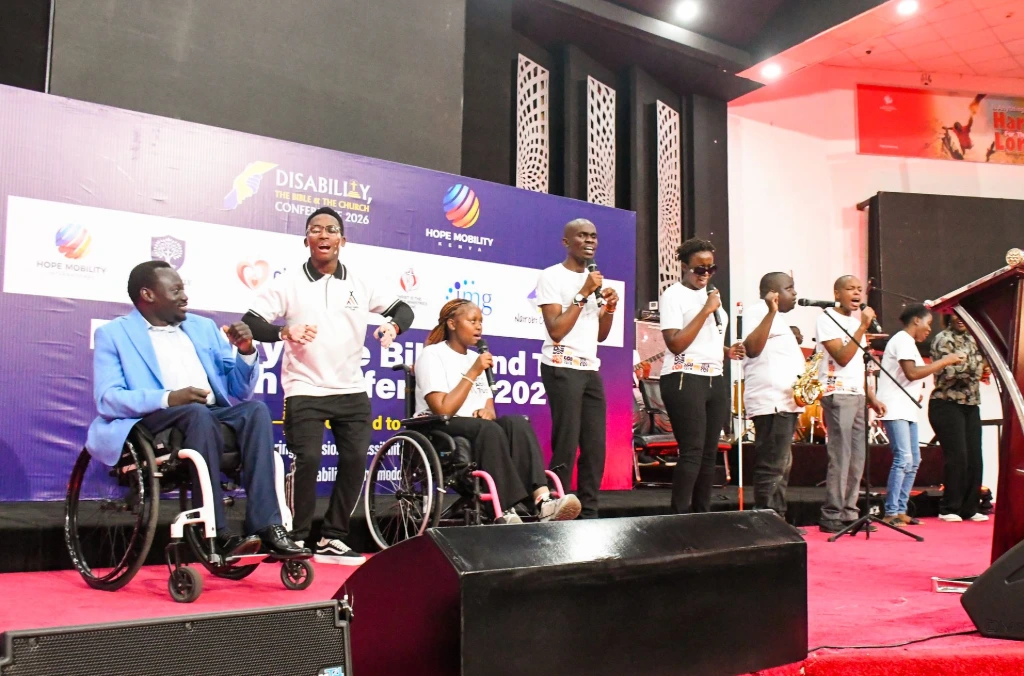 DAY 1 • WORSHIP
Disability, The Bible, and The Church Conference
The Ability Band had the honour of leading worship and music at the first National Christian Disability Conference in Kenya. Through worship, the Band demonstrated that persons with disabilities have a place not only in the congregation, but also in visible ministry and leadership.
We are grateful to Hope Mobility and Michael Panther for the opportunity to serve at this important gathering.
Visit DBCC →Partner With Us
We believe worship is for everyone and can be led by everyone. Churches, ministries and organizations can invite The Ability Band to lead worship or minister during a service, conference, training or other appropriate gathering.
We would be glad to hear from your church or ministry.
Whether you are beginning to think about disability inclusion or already have ministry in place, we would be glad to listen, understand your context and explore how Africa Ability can walk alongside you.
Near Olympic Primary School
Kibera, Nairobi, Kenya